In business aviation, comfort is the visible part of the experience. Safety is the invisible one—built long before passengers step on board.
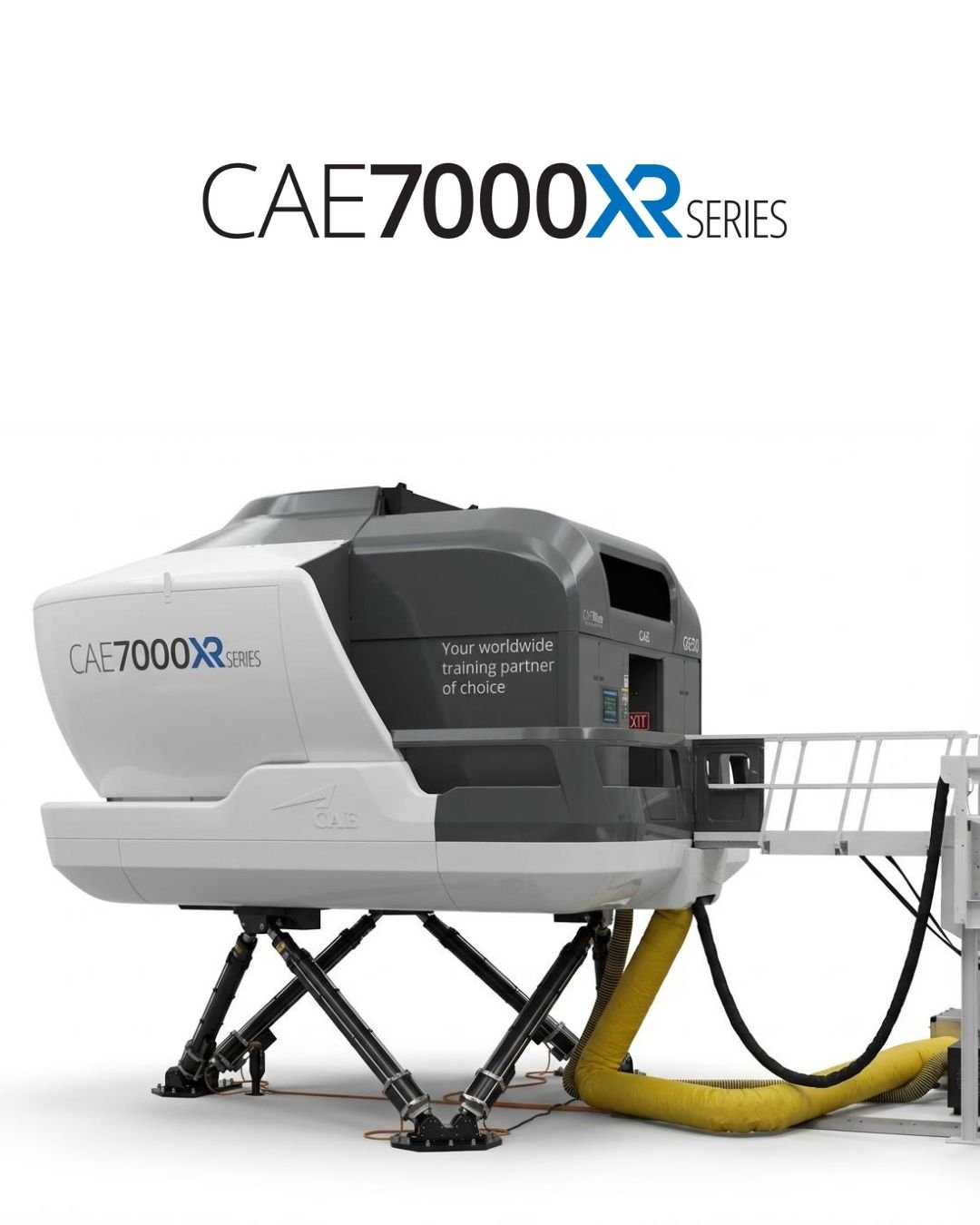
That safety is not defined by a single checklist or a marketing promise. It is defined by recurrent training, standardization, and measurable performance under pressure. The most credible version of that preparation happens on the ground, inside Full Flight Simulators (FFS) built to replicate the aircraft environment with extraordinary fidelity.
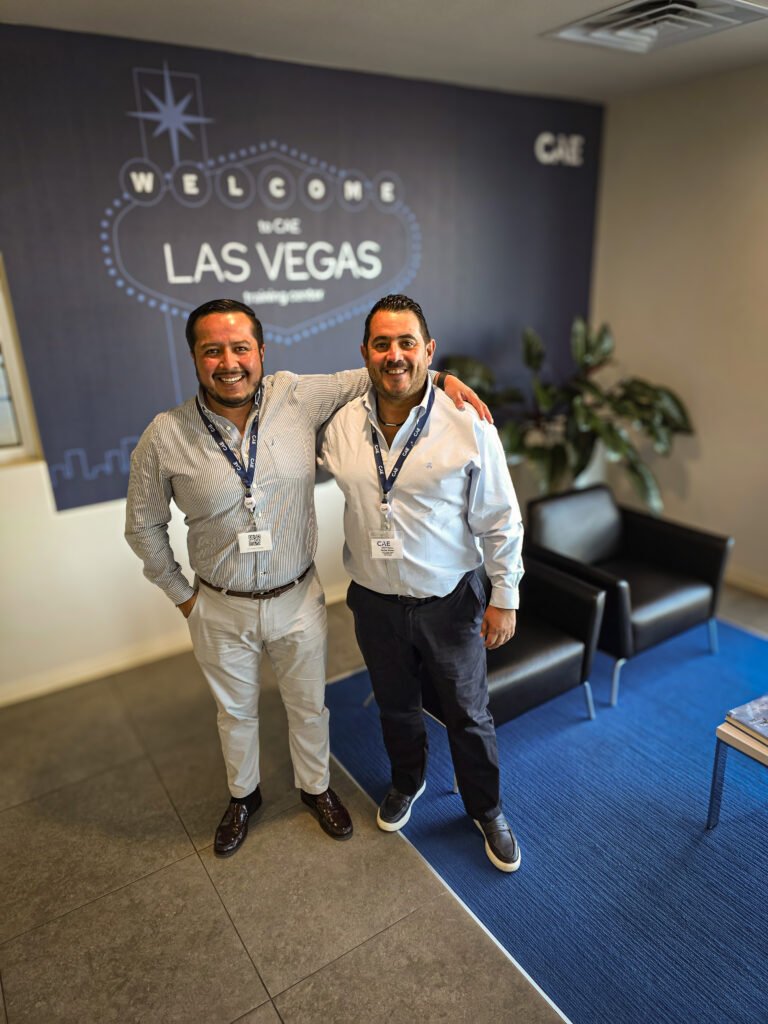
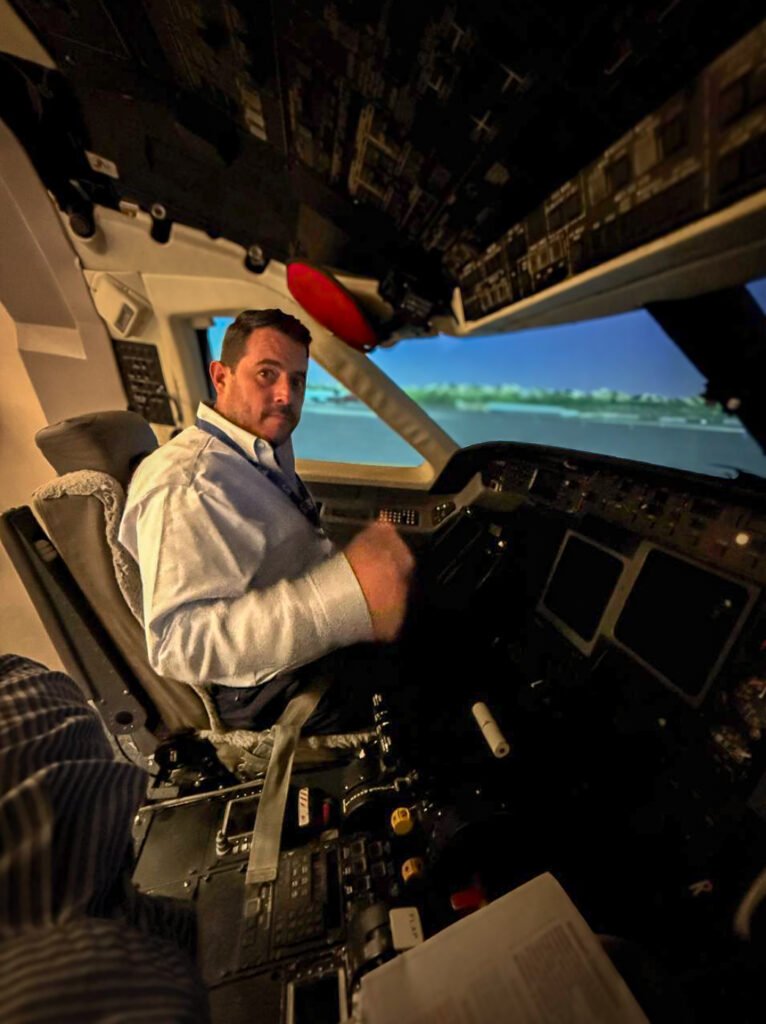
In October 2025, Jetstime flight crew completed recurrent training at CAE Las Vegas, reinforcing the operational discipline and decision-making standards that our clients expect—every flight, every time.
Why recurrent training is the real safety differentiator
A professional flight department does not “stay current” by flying more hours alone. It stays current by rehearsing low-frequency, high-consequence events—the exact scenarios that demand rapid judgement, crisp crew coordination, and flawless execution.
Recurrent training is where pilots are evaluated not only on aircraft handling, but on:
· Threat and error management
· Crew coordination and communication
· Procedural discipline
· Decision-making under time compression
· Performance in abnormal and emergency configurations
This is how “confidence” becomes operationally real.
CAE Las Vegas: purpose-built training for business aviation
CAE is one of the world’s most established training organisations in civil aviation, and its Las Vegas facility was built specifically to expand business aviation training capacity on the U.S. West Coast. CAE states the site is a 50,000-square-foot business aviation training centre near Harry Reid International Airport, with capacity for up to eight Full Flight Simulators, including devices for aircraft such as the Gulfstream G650 among others. cae.com
For operators and flight departments, the value of a facility like this is not simply convenience. It is the ability to train in a mature ecosystem built around:
· structured recurrent programmes,
· instructor-led evaluation,
· consistent standards,
· and simulator availability designed to meet high pilot demand. cae.com
What “Level D” means (and why it matters)
Not all simulators are equal. In civil aviation, full-flight simulators are classified by qualification levels—commonly referenced as Levels A through D—with Level D representing the highest category and the most demanding performance standards. Airbus+1
Two things make this important:
1. Regulatory structure: In the U.S., the FAA’s National Simulator Program establishes standards for Flight Simulation Training Devices under 14 CFR
2. Training credibility: A Level D simulator is designed to replicate aircraft behaviour and flight deck interaction to a degree that supports advanced training and evaluation—without exposing crew or passengers to real-world risk. Airbus+1
In practical terms, Level D training is where pilots can repeatedly experience scenarios that cannot be safely “practiced” in an actual aircraft—at the exact moment when precision matters most.
Inside a Gulfstream G650 simulator programme: how the training is structured
The Gulfstream G650 is a flagship long-range business jet, and CAE’s published training outline for the platform reflects the discipline expected at the highest tier of business aviation.
CAE’s G650 training documentation indicates Level D simulator training availability and lists Las Vegas, NV among its training locations for the G650 programme. cae.com

While the exact syllabus varies by course type (initial vs recurrent) and operator needs, the structure typically blends:
· technical knowledge refreshers,
· scenario-based simulator events,
· and formal checking/evaluation components.
What gets trained—beyond “normal operations”
The value of simulator training is not confirming what goes right; it is mastering what can go wrong. Training events target:
· abnormal and emergency procedures, executed at operational tempo,
· high-workload phases of flight (departure, arrival, approach),
· time-critical decision points (go/no-go judgement, continuation vs diversion),
· and crew coordination under stress—because even perfect technical flying fails without aligned teamwork.
CAE’s G650 materials also reference optional and ancillary training themes commonly used in business aviation programmes (availability varies), including:
· Crew Resource Management (CRM) (initial and recurrent),
· Safety Management System (SMS) concepts,
· RVSM training,
· and advanced modules such as UPRT (Upset Prevention and Recovery Training) and special approach profiles. cae.com
Why this matters to the client (even if they never see it)
A client doesn’t book a private flight to think about safety—they book it to move smoothly and efficiently. But the best operators understand an uncomfortable truth:
The calmest flights are delivered by crews who train for the most chaotic possibilities.
Full-flight simulator training allows crews to:
· execute emergencies without hesitation,
· standardise how decisions are made in the cockpit,
· and pressure-test procedures repeatedly until performance becomes consistent—not aspirational.
It’s also where instructors can pause, debrief, correct, and rerun scenarios—turning judgement into habit.
How Jetstime uses simulator training to reinforce operational trust
Jetstime’s safety culture is grounded in professional recurrent training and continuous proficiency. The objective is straightforward:
Maintain a flight operation where “best practice” is not occasional—it is systematic.
Recurrent training at CAE Las Vegas (including the October 2025 cycle) supports that goal by reinforcing:
· a standardised cockpit method,
· consistent callouts and division of responsibilities,
· precise execution of procedures,
· and decision-making frameworks that remain stable under pressure.
Because in private aviation, the highest standard is not the aircraft itself. It is the people operating it—trained, evaluated, and continuously sharpened.
Fly with a team that trains like the outcome matters—because it does
If you are responsible for selecting an operator—whether for executives, family, or high-profile travel— ask the questions that reveal standards:
· Where does your crew train?
· How often?
· Is it evaluated or only practiced?
· What happens when the scenario is not “normal”?
At Jetstime, we take those questions seriously—because we build our operation around answering them with evidence, not slogans.
Jetstime
Operational discipline. Recurrent training. Safety as a standard.